Akan.js 3.1
Release note · Oct 25, 2026
Akan.js 3.1: hardened for production
v3 let AI agents use your app alongside people. 3.1 is about running that app for real, with confidence. Upgrading alone makes it safer and faster, and the new features cover what production asks for: keeping the wrong people out, changing data safely, riding out bad networks, and updating devices nobody watches.
Security
Safer the moment you upgrade
Most of these close a gap between visitors, or between your server and others. None of them asks you to change a line of code, which makes them the best reason to upgrade even if you never touch a new feature.
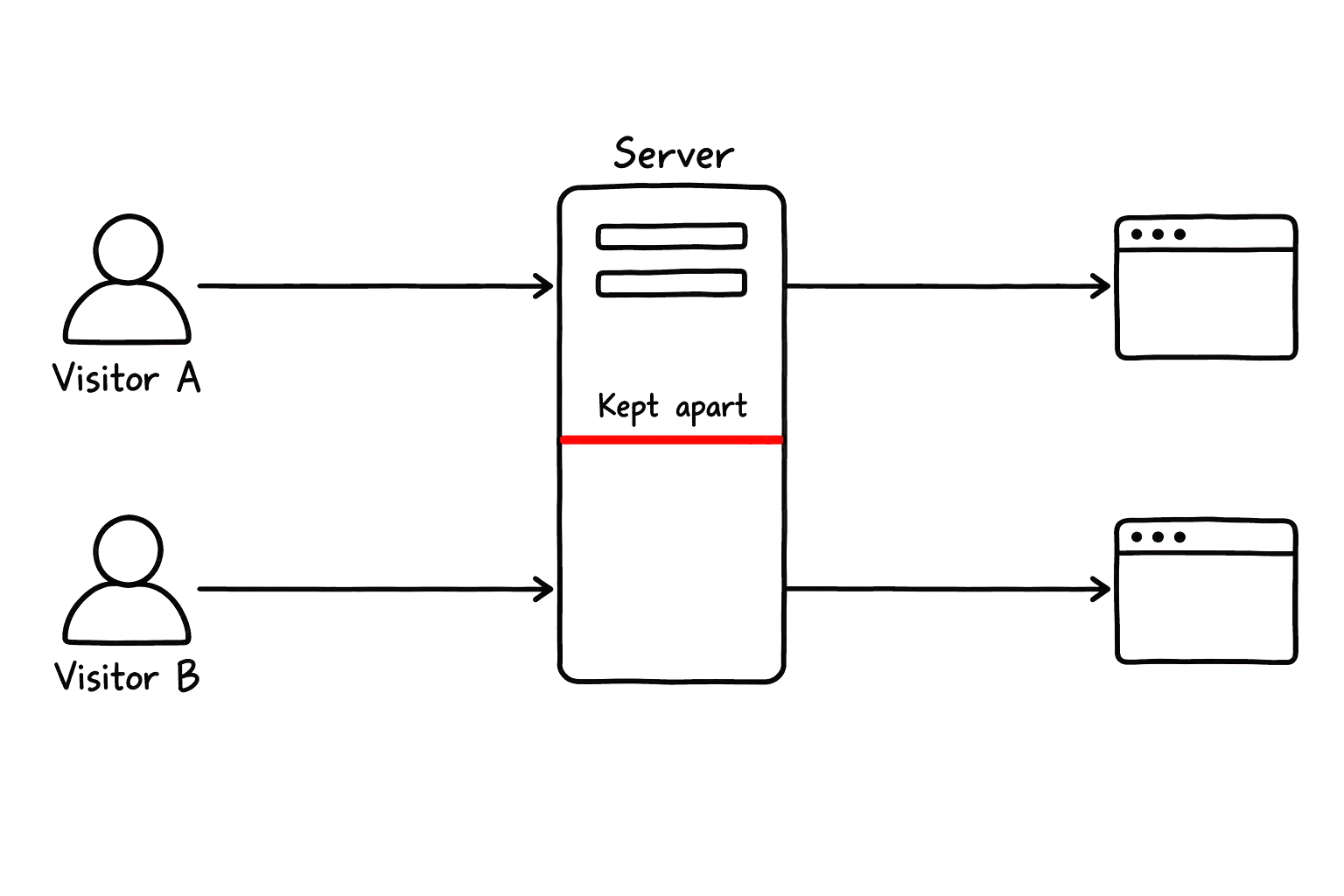
Visitors' sessions never mix
Under heavy traffic, part of a page streamed to one visitor could read another visitor's login cookie. Each render now sees only its own request.
Your users' login stays home
When your server calls another company's API, it no longer forwards the visitor's login token or address. Only calls to your own server carry them.
No more redirect tricks
A crafted link such as ?redirect=evil.com can no longer use your app's navigation to send a visitor to another site.
Requests can't grant themselves extra rights
Fields a form was never meant to send, such as a role or a deleted flag, are dropped before they reach your code.
Switching accounts leaves nothing behind
Pages kept for the previous account are dropped the moment someone signs in as someone else.
Fewer secrets in your logs
Logs mask more kinds of secrets, such as webhook URLs, database connection strings and signing keys.
Updates nobody can tamper with
A CDN in between can no longer alter a signed app update, and a signed desktop app refuses an update signed by anyone else.
The agent acts only on what's on screen
If the screen changes while the in-page agent is acting, its call is refused instead of running against the wrong thing.
New features
Seven things production asked for
01
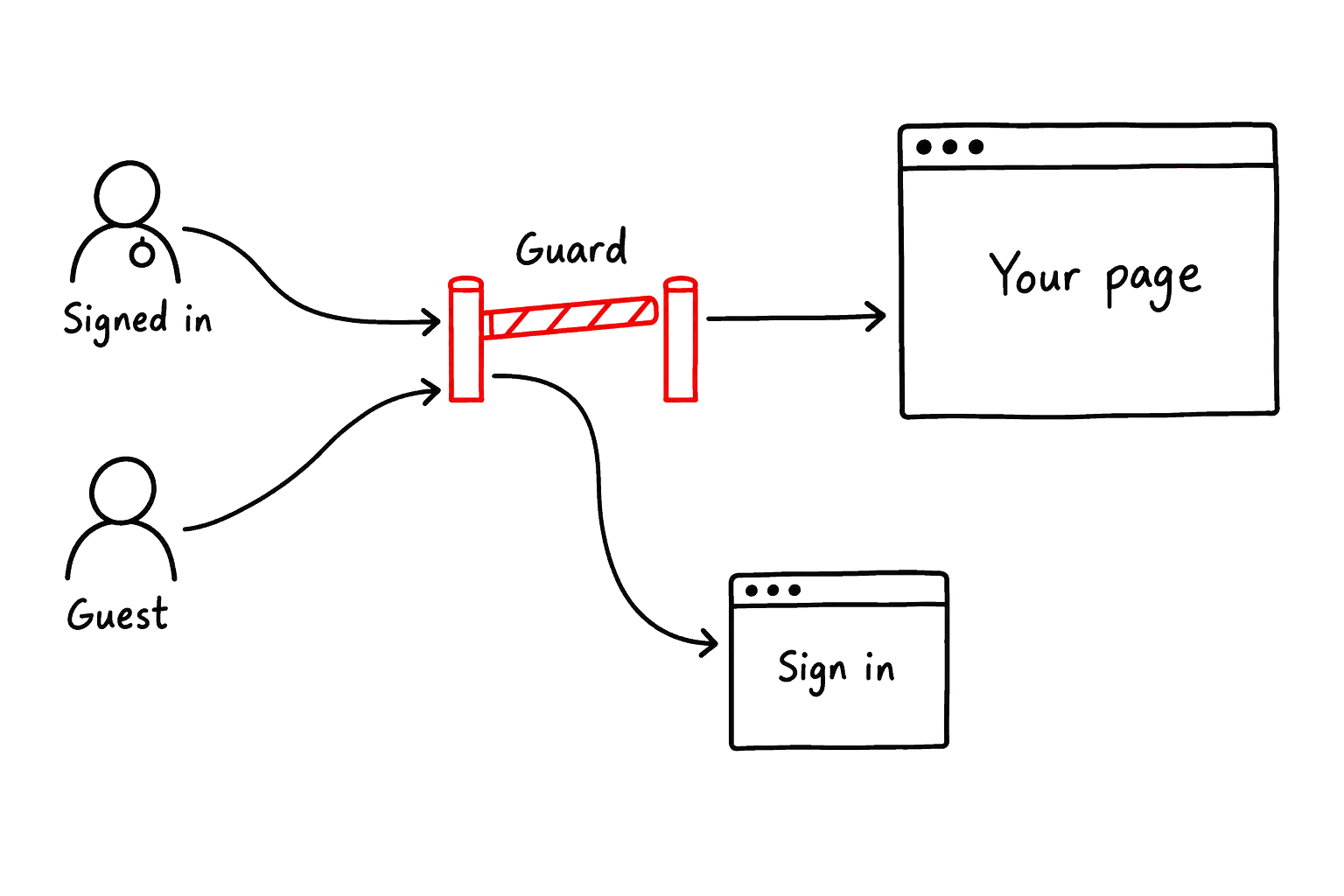
Stop strangers before the page appears
No more flash of a private page before the redirect to sign-in.
Add one guard to a section's layout and every page under it checks who is asking before anything is drawn. A visitor who may not enter goes straight to the sign-in page, and a record they may not see answers as if it did not exist. AI agents connected to your app see only the screens they are allowed to open.
02
Your app's screens, inside the AI chat
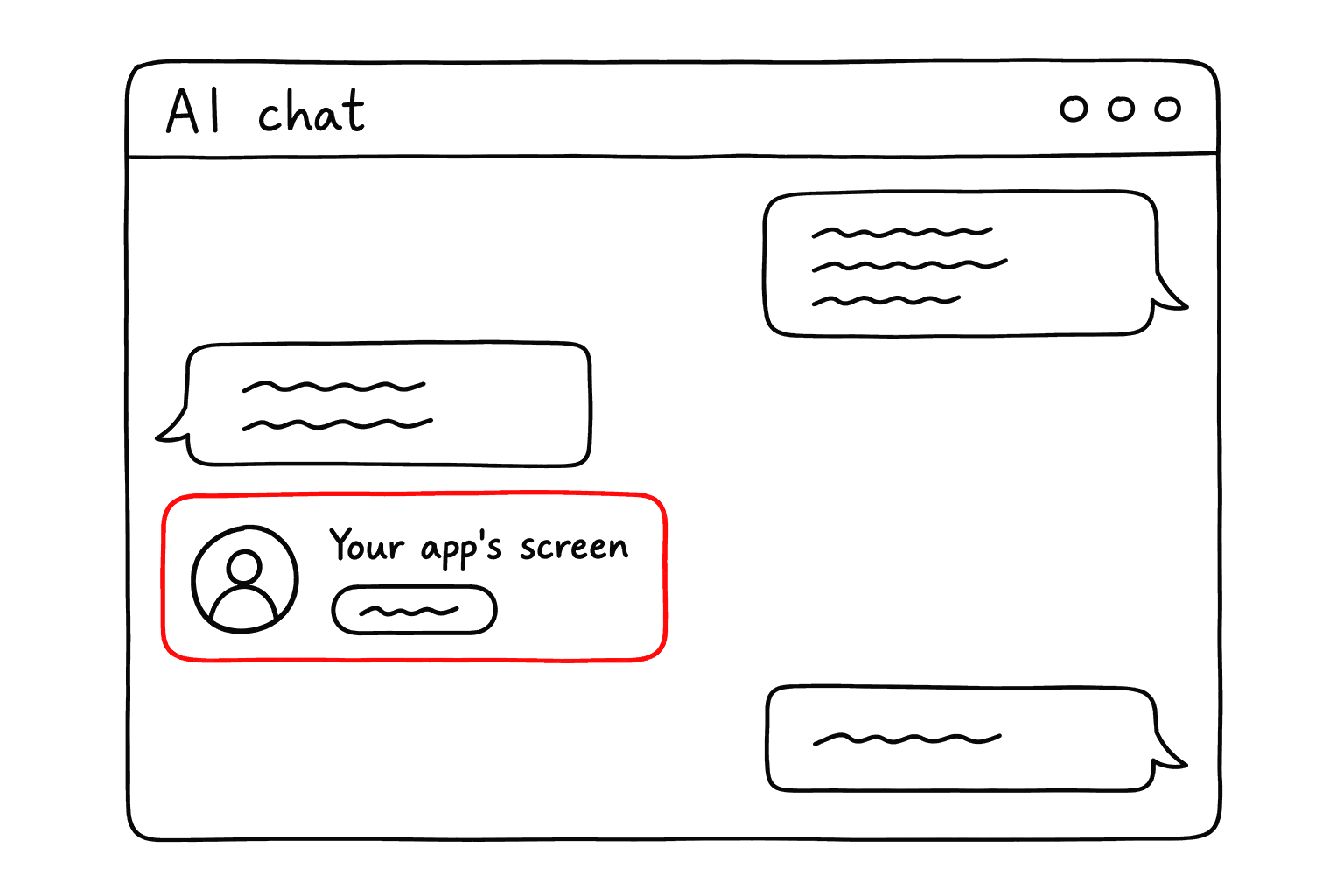
Ask Claude about a ticket and get the real ticket card, not a wall of text.
Mark one component of a page as an app, and AI hosts such as claude.ai draw it right inside the conversation. It is the very component your website shows, so there is nothing to build twice. It runs with the user's own permissions and can only read, so it never changes data behind anyone's back.
Your endpoints can hand an AI a picture as well, such as a chart or a product photo, instead of describing it in words.
03
Change your data's shape, safely
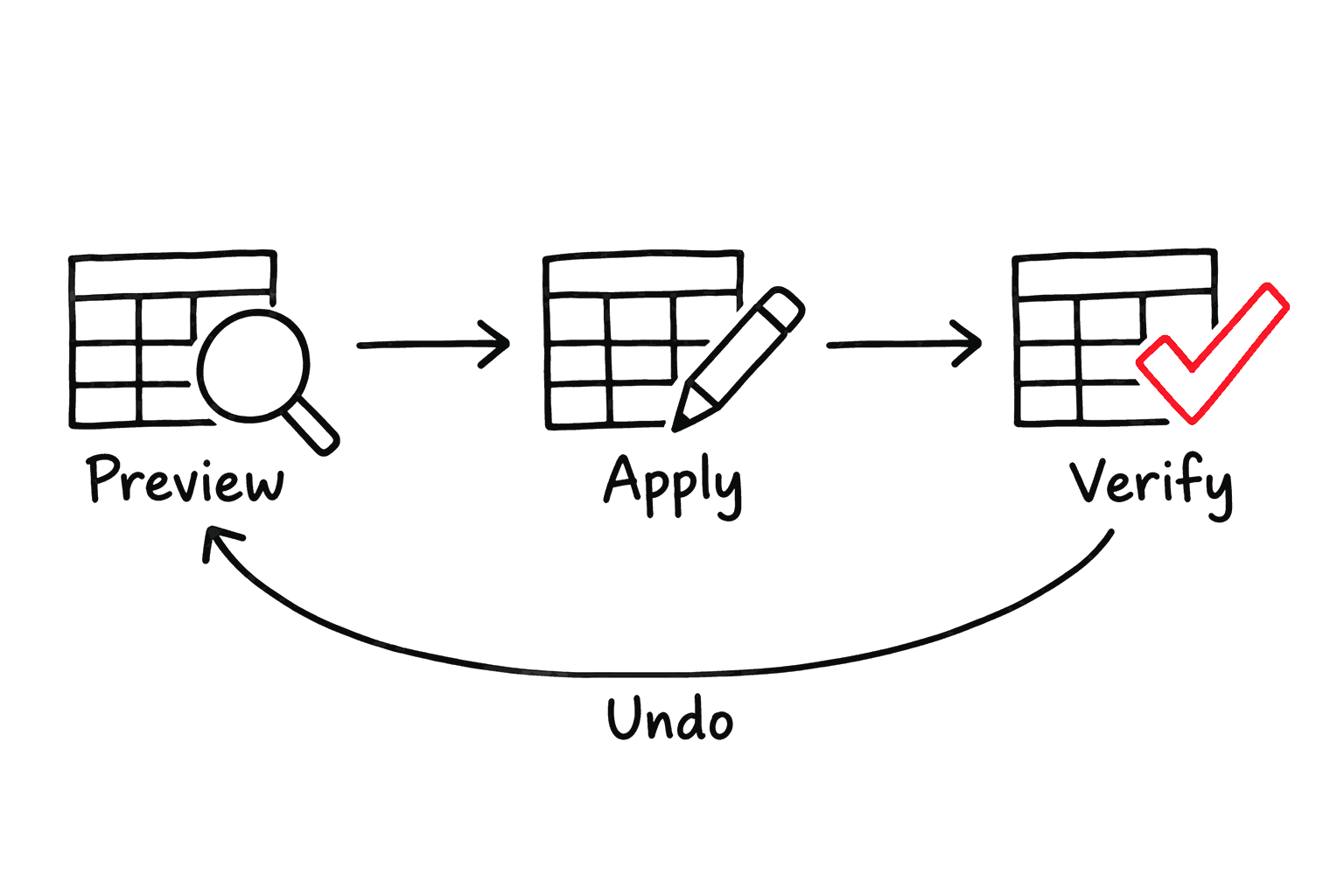
Preview it, apply it, check it, and undo it if you need to.
When a release changes how data is stored, ship a migration script with it. It first shows what it would change without touching anything, refuses to run if the data moved after you reviewed it, and checks the result when it is done. Every value it changes is recorded, so a bad run can be rolled back.
Two servers never run the same migration at once, and the same script runs on your laptop and in your deployed containers.
04
Bad requests stopped at the door, with a clear reason
Fewer mysterious server errors, more answers that say exactly what went wrong.
Every request is checked against your models before your code runs. A wrong type or a missing field gets an error that names the exact field, and anything the request was not supposed to send is quietly dropped. Invalid input and missing records now answer 400 and 404 instead of a server error.
The errors an endpoint can return are now part of its contract. They appear in your API docs and in the tool descriptions AI agents read, so people and agents alike know what to expect before they call.
Errors05
Calls that hold up on a shaky network
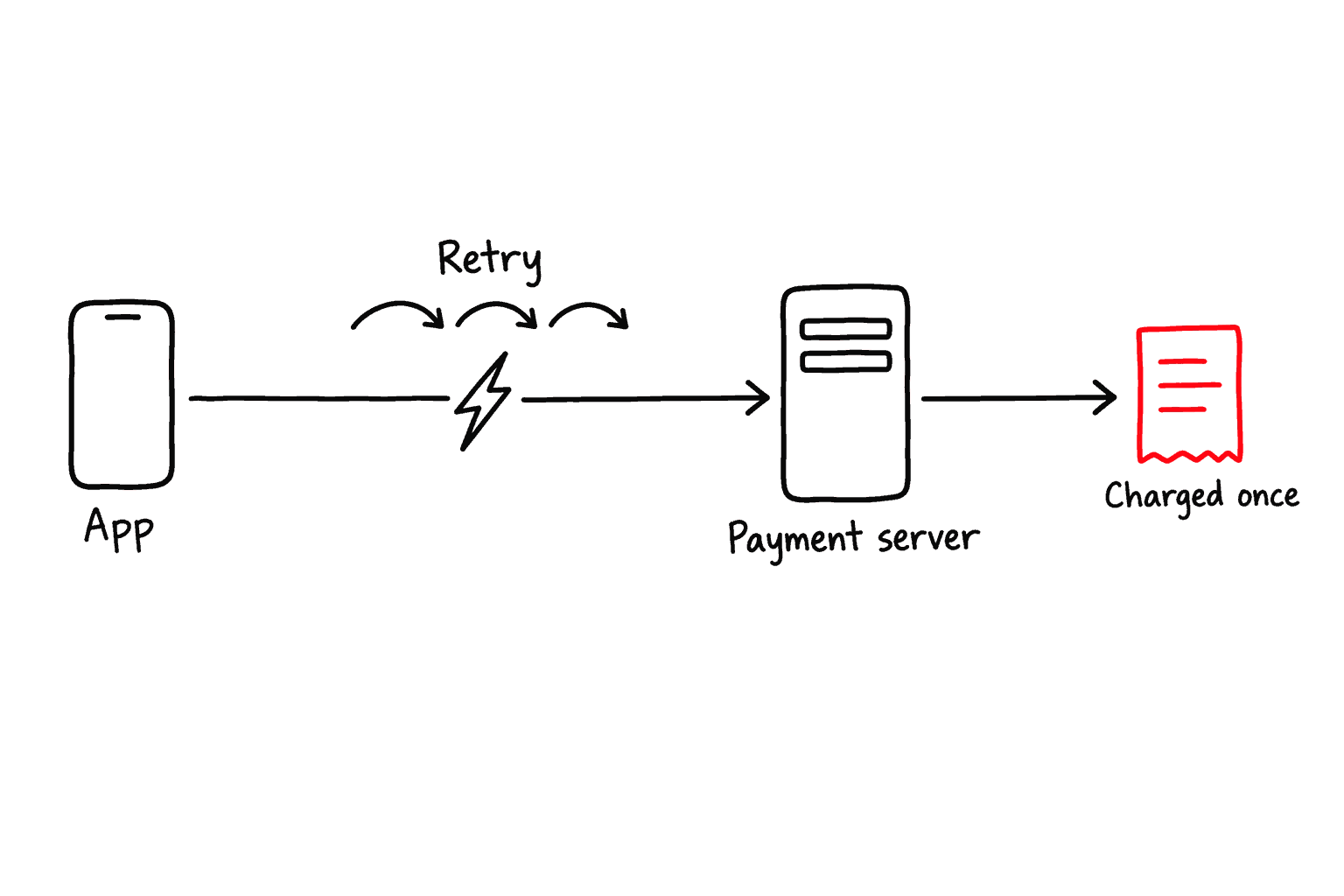
Retry as often as the network needs, and still charge the customer once.
A call to another server now retries by itself when that server is briefly down or busy, waiting a little longer each time and giving up within the deadline you set. Send a payment or an order with a duplicate-protection key, and it runs exactly once however many times it arrives.
Live screens recover as well. After a dropped connection the app reconnects as soon as the device is back online, and fills in whatever changed in the meantime.
06
Devices that update themselves safely, with nobody watching
Built for kiosks, signage and devices in the field.
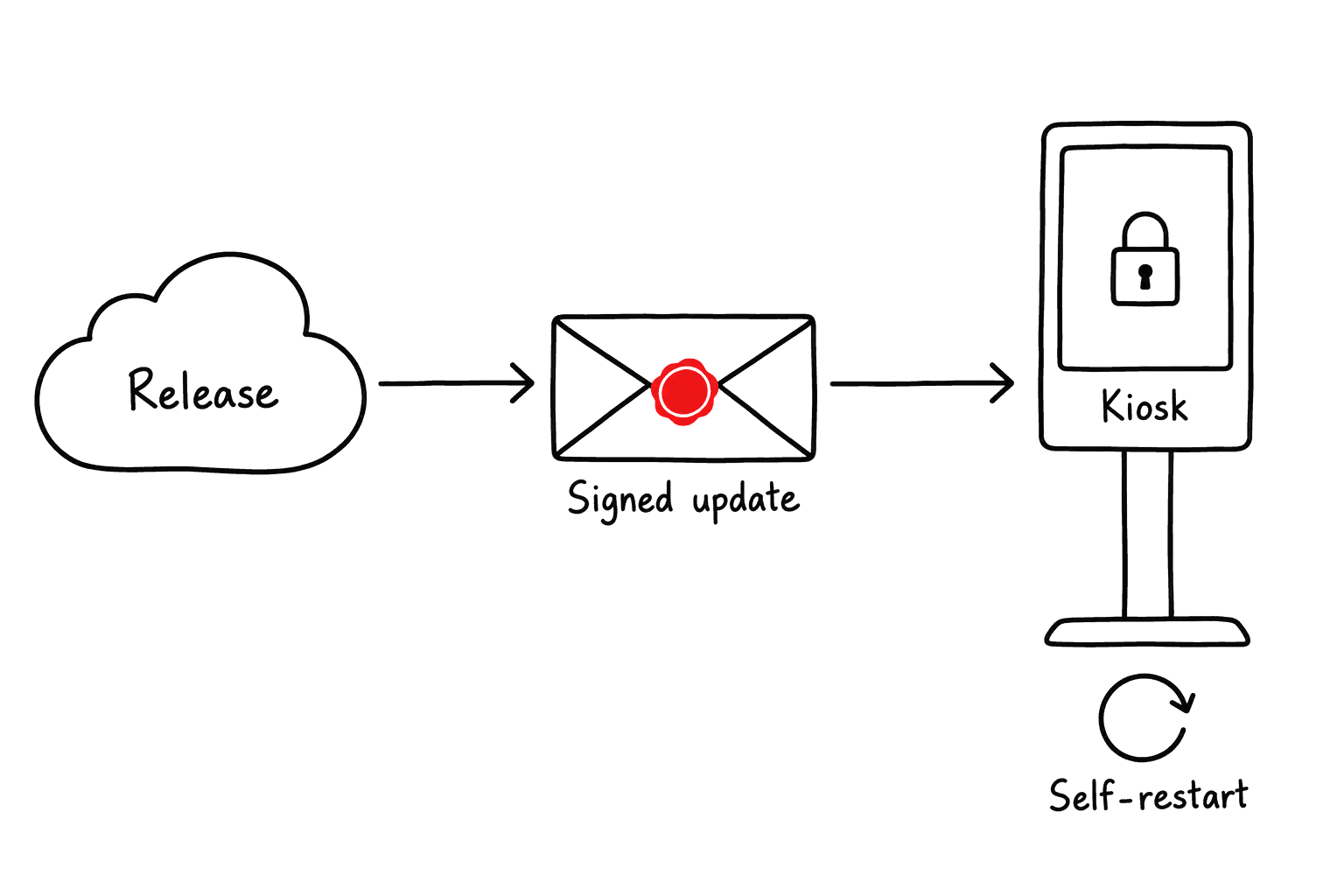
Over-the-air updates for phone apps are now signed so that no CDN or middleman can tamper with them. You can rotate the signing key without shipping a new app, revoke a leaked key for good, and see how each release landed across devices without collecting anything about your users. A release that freezes on a phone rolls itself back.
Desktop apps gain a kiosk mode in which pages cannot open print or file dialogs, downloads or other programs. The server a desktop app carries restarts itself when it crashes or hangs, and it can be built without your secrets, so nothing sensitive sits on the installed machine.
07
Your deploy pipeline, right next to your code
Build, test and deploy steps live in your repo and get reviewed like code.
List your pipeline's steps in akan.config.ts, from build and test to Docker and deploy, and add shell steps of your own. Before you push, preview exactly what Akan Cloud will run, locally and without running anything. Pipeline secrets are write-only: once uploaded they are never shown again, and each step reads only the secrets it names.
Performance
Stricter, and faster anyway
Checking every request had to come for free, so the path a request takes was rebuilt. Each endpoint is prepared once, responses follow a plan made once per model, and every call skips the work it does not need. Live connections got lighter too: a signed-in socket checks its login once per connection instead of on every message, while a sign-out still takes effect at once.
2.5×
faster list responses
16 µs → 6.5 µs
1.5×
faster simple API calls
3.0 µs → 2.0 µs
+15%
more pages served per second
26.7k → 30.8k req/s
−14%
shorter slowest responses
p99 3.7 ms → 3.2 ms
Each figure was measured on one machine just before and just after the change behind it: API calls in process, pages on a cached page of the sample app.
Everyday polish
What your users will notice
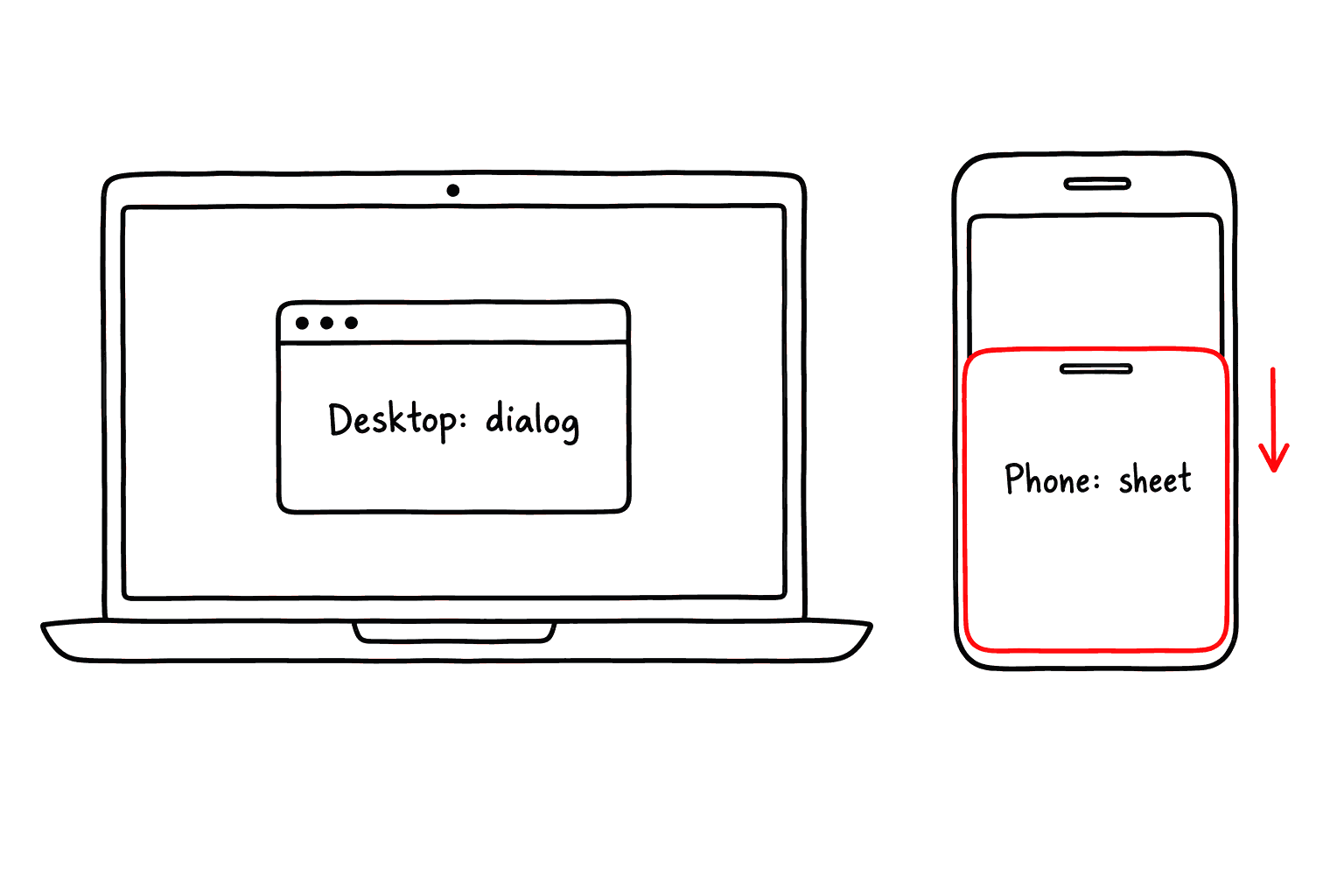
Modals adapt to the screen: on a phone a modal can open as a full-screen sheet you swipe down to close, and on any screen it can slide in from the right as a side panel.
No half-uploaded submits
The submit button waits while a file is still uploading, so a form never saves without its image.
Back lands where you left
Back and forward return to the exact scroll position, in Safari too, even while images are still loading.
Nothing typed is lost while loading
Text typed into the header before the page finishes loading keeps its text, focus and cursor.
Buttons that don't submit by accident
A password toggle, a copy button or an add button inside a form no longer submits it.
Feels native on iPhone
Installed web apps stop bouncing, small inputs no longer make iOS zoom in, and the status bar follows the theme.
Overlays stack in the right order
A dropdown opens above its modal, toasts sit above modals, and tooltips flip to the side with room.
Filters without a reload
A search or filter change in the URL can update the screen without asking the server for the whole page again.
An agent that sees pictures
The in-page agent can look at images on the screen, and your own tools can hand it files.
What your team will notice
Balances that can't go negative
On Postgres, two withdrawals arriving at the same moment can no longer both pass the same balance check.
Adding an index stays quick
Adding or reordering an index no longer rebuilds all the others on the next deploy.
Clean up by retention
Delete old logs and expired data for good, in safe batches, with an empty filter refused.
Fresh cache on demand
Clear an endpoint's cached answers on every server the moment the data behind them changes.
Lint that catches crashes early
A new rule flags hooks a render can skip, a classic cause of production-only crashes, and typecheck now covers your tests.
A lighter guide for coding agents
The AGENTS.md the CLI writes is about 60% smaller, so a coding agent spends less of its context on rules.
Upgrading from 3.0
3.1 needs Bun 1.4.4 and React 19.3.1. Upgrade Bun, update the workspace, and run the commands below on each app and library. Most apps need nothing more. If yours accepts loosely shaped requests, calls other servers, or ships desktop or phone updates, the release notes have a short checklist, and lint and typecheck point at most of it.
What comes next
3.1 makes everything v3 introduced safe to run for real. It already works hand in hand with Akan Cloud, which runs your pipeline, keeps your secrets and signs your phone updates. The roadmap shows where the cloud and the agent features go from here.
See the roadmap